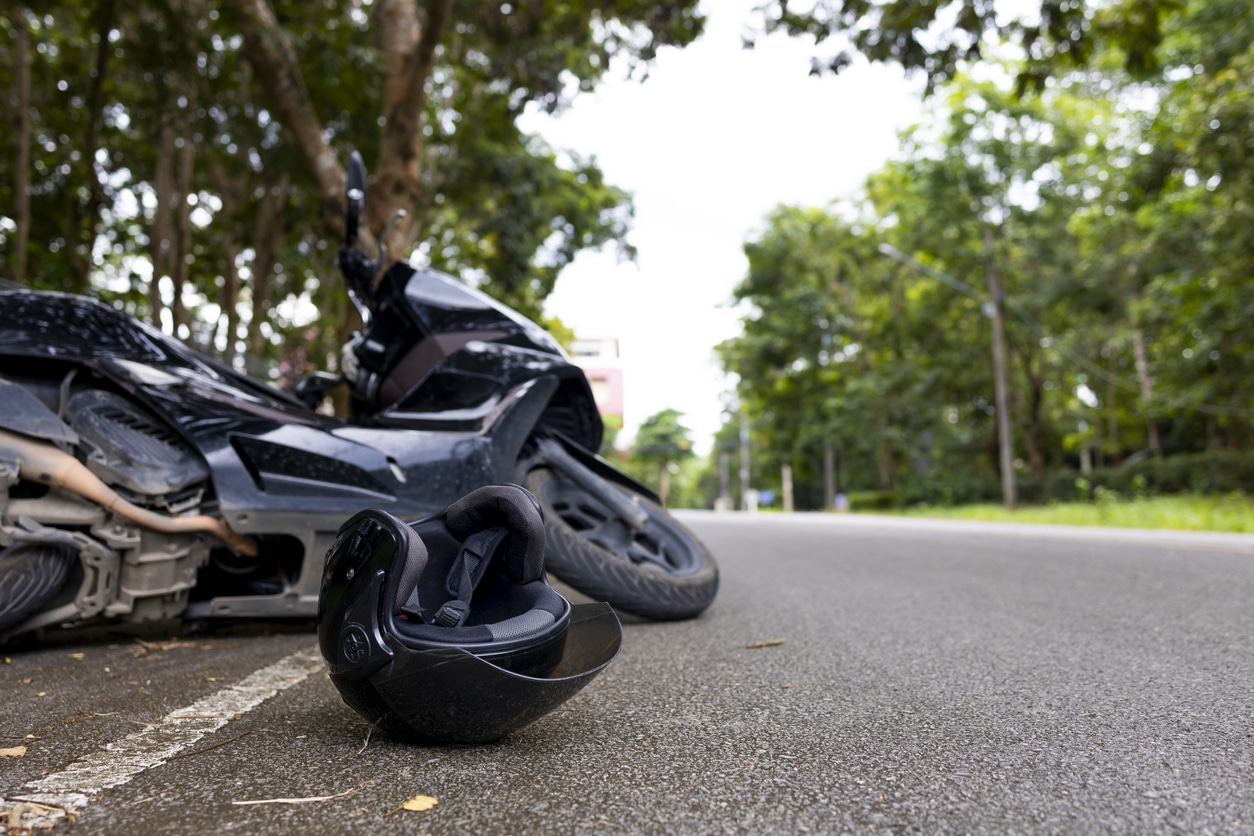
You might think an accident is an accident, but the law does not treat them equally. When you look at motorcycle accident claims vs car accident claims, the differences quickly add up in ways that can impact your recovery. Motorcyclists often deal with more severe injuries, stricter scrutiny from insurers, and legal rules that make proving fault more difficult. These cases require more than basic documentation and a standard claim filing. Recognizing the added complexity early can make a measurable difference in the outcome.
Severe Injuries Lead to Higher Stakes
Motorcycle accidents typically result in more severe injuries and increased claims. The physical design of a motorcycle means the rider doesn’t have the same level of protection as vehicle passengers. Motorcycle riders experience increased rates of brain injuries, spinal damage, and long-term disability. This translates to higher medical treatment costs, greater long-term care, and more future damages.
As a result of the increased costs, insurance companies give more scrutiny to motorcycle accident claims. If no settlement is reached, greater resources are put towards insurance defense strategies. As an injured motorcycle rider, it’s crucial to speak with a lawyer to understand your legal rights.
Florida’s Modified Comparative Negligence System
Florida follows a modified comparative negligence standard for accident claims. If the rider is more than 50% at fault, they are barred from recovery. If the rider is less than 50% at fault, they can still recover damages, but the total award is reduced by their percentage of fault.
This standard is crucial, as it directly affects what a motorcycle rider can recover as compensation for an accident. In motor vehicle accidents, it’s common for both parties to share fault. For example, one person could have run a red light while the other was speeding. Both parties’ actions contributed to the accident. The question then becomes, who is more at fault?
No-Fault Insurance Limitations in Florida
Florida uses a no-fault system for insurance claims. Every vehicle driver is legally required to carry Personal Injury Protection (PIP). Each driver’s coverage is intended to pay for medical expenses and lost wages first. Things get more complicated when a motorcycle is involved. Motorcycles are not included in Florida’s definition of “motor vehicles”. That means that motorcycle riders don’t have to have PIP insurance.
Without this extra layer of insurance, insurance coverage limits may not fully cover the cost of serious injuries. Riders are often forced to pursue claims against the at-fault driver instead of relying on their own insurance.
Helmet Laws and Their Legal Impact
Florida law requires motorcycle riders under the age of 21 to wear a helmet. For riders over 21, wearing a helmet is optional. However, if they aren’t wearing a helmet, they must meet the required health insurance coverage.
Not wearing a helmet can make an injury claim more complicated. Despite being legally compliant, not wearing a helmet could be used against the rider. It could be argued that not wearing a helmet contributed to the rider’s injuries, especially head injuries. The rider would then be negligent for not wearing the helmet and contributing to the severity of their injuries.
Complex Evidence and Accident Reconstruction
Arguing a motorcycle accident case can require more complex preparation. This could include a reconstruction of the accident. It would include a detailed analysis of speed, positioning, and visibility. Both sides will likely hire their own experts to create a version of events favorable to their argument.
Police reports are often relied upon. However, these can be biased based on the opinion of the officer and the information they are given at the accident scene. In addition, it can be difficult to locate witnesses who can provide an independent third-party account of the accident.
The prevalence of vehicle cameras is making evidence gathering easier. Riders can protect themselves by using an action camera. Alternatively, many people now have cameras in their vehicles. Instead of providing a witness statement, they can provide a video clip of the incident. This can go a long way in supporting the rider’s version of events and overcoming bias.
Insurance Company Tactics in Motorcycle Claims
Insurance companies will use tactics to reduce the amount they have to pay for a motorcycle accident claim. Motorcycle riders need to be ready to counter the insurance company’s claims. Working with an attorney can help riders gather the necessary evidence to establish compelling arguments.
It’s common for insurance companies to dispute the severity of the injuries, argue rider negligence, and lower settlements due to perceived risk.
Speak With a Motorcycle Accident Attorney
Motorcycle accident claims carry a level of complexity that most car accident cases simply do not. These cases require a focused legal approach that accounts for the unique challenges riders face. At David I. Fuchs, Injury & Accident Lawyer, P.A., the team understands how these claims are built and where insurers try to push back. They work directly with injured riders to protect their rights and pursue the compensation they are owed.
If you have been injured in a motorcycle accident, now is the time to take action and speak with an attorney who knows how to handle these cases.