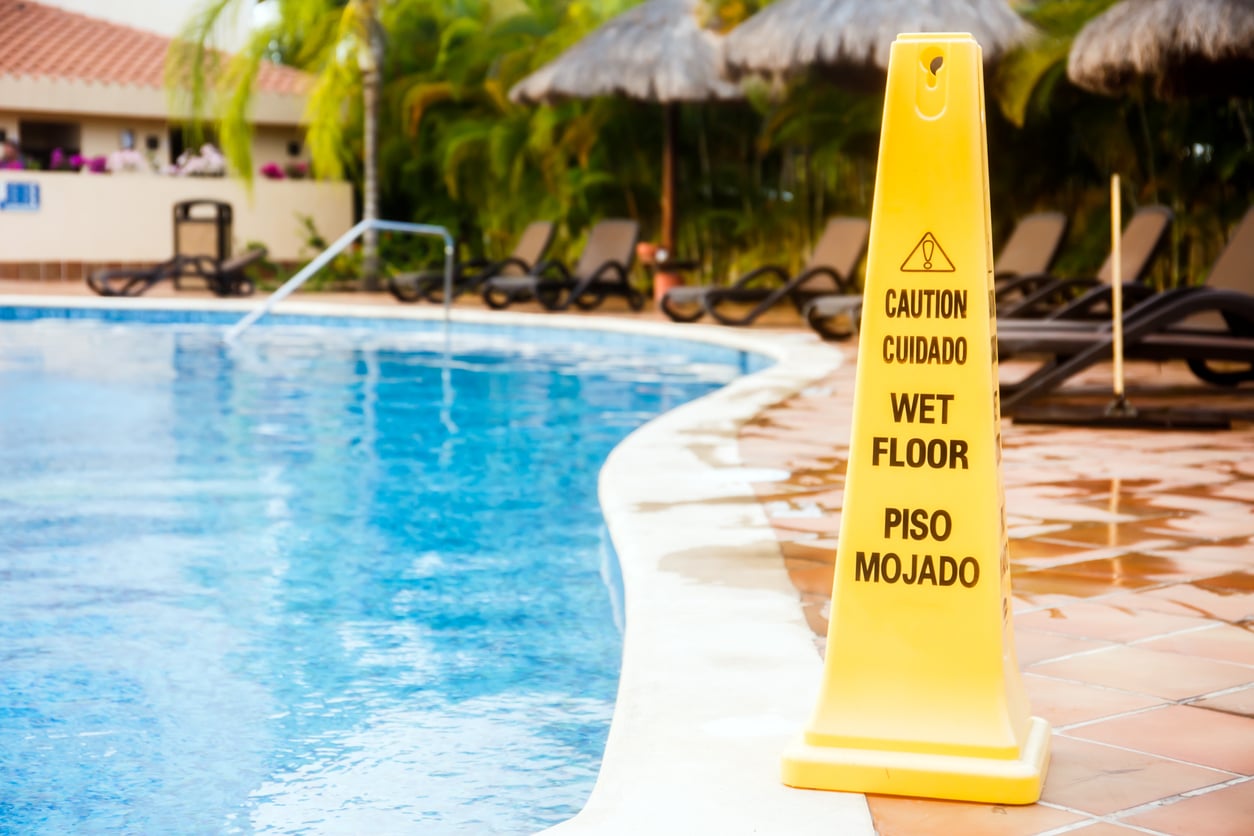
Florida's year-round sunshine makes a backyard, hotel, or community pool hard to resist. Unfortunately, that same pool can become the scene of a serious accident in seconds. A slippery deck, broken equipment, missing barrier, or dangerous drain can leave someone with far more than a bad memory of their day in the water. If you were injured because a property owner or operator failed to keep a pool area reasonably safe, you may have a claim under Florida's premises liability laws. Premises liability for swimming pools can quickly become complicated, particularly when multiple parties share responsibility for maintaining the property. Knowing who may be responsible and what Florida law requires can help you understand your options after an accident.
Types of Swimming Pool Accidents
While no two accidents are exactly the same, some common incidents and injuries occur around swimming pools. One of the most common and well-known is drowning or near-drowning. These are also among the most serious because they can result in death or serious brain injury. Injuries caused by oxygen deprivation can have devastating and long-lasting impairments.
Slip-and-fall accidents are also common. The nature of a pool means there are slippery and wet surfaces around it. However, falls can also be caused by broken or uneven pavement, cracked tiles, and poor drainage. Poor maintenance and lighting can increase the risk of falls.
Diving board accidents can happen if the pool has one. It could be mounted in an unsafe area, defective, or improperly maintained. There also could be a lack of proper supervision or appropriate warnings.
Drain entrapment happens when the suction from a pool drain causes serious injury to someone. Inadequate fencing or barriers around the pool can allow access to young children. If not properly supervised, children are at a bigger risk of injury.
Who Is Liable for a Pool Accident in Florida?
It’s easy to assume that the pool or property owner is automatically liable for any injuries that are caused by the pool. However, this isn’t always the case. Additionally, there may be multiple people who are liable. Under Florida law, the party who has control and responsibility for the pool is more important. A party could be liable if they are responsible for the pool and surrounding property and fail to maintain them. They may fail to comply with statutory or regulatory safety requirements. They could be made aware of dangerous conditions and fail to address them or provide visitors with the necessary warnings. A party could be liable if they created, encouraged, or allowed an unsafe condition to exist.
- Property owners
- HOA and Condominium organizations
- Hotels
- Apartment Complex
Florida Pool Safety Laws
Florida statutes aim to prevent accidents and injuries by requiring certain standards to be met. While they cannot prevent all injuries, they can prevent common mishaps by addressing safety concerns.
Attractive Nuisance Doctrine
Children are considered especially vulnerable, so the law takes extra steps to protect them. Florida’s attractive nuisance doctrine requires property owners to take reasonable precautions when there is an artificial condition that may attract children, creating a liability. For Floridians, this means pool owners must take reasonable steps to secure their pools to prevent them from becoming easily accessible attractive nuisances. Pools are man-made and enticing for children who may not understand or realize the potential danger.
Residential Pool Barriers
Florida's Residential Swimming Pool Safety Act sets out specific safety requirements for qualifying residential pools. Among other things, a pool barrier generally must be at least four feet high and constructed so young children can't easily crawl under it, squeeze through it, or climb over it. Gates must open outward and be equipped with self-closing and self-latching mechanisms. The law also addresses access to above-ground pools, including ladders and similar means of entry. A four-foot fence isn't the only option, however. Depending on the circumstances, Florida law allows certain safety features to satisfy the statutory requirements, including approved safety covers, exit alarms, pool alarms, and qualifying self-closing and self-latching doors.
Drain Cover and Entrapment Requirements
Qualifying pools must legally have the correct anti-entrapment systems or devices in place. If the pool is older, it may have a design that requires adherence to additional regulations.
Lifeguards
Individuals working as lifeguards at public swimming pools must maintain appropriate certification in lifeguarding, first aid, and CPR. However, Florida pools are not required to have a lifeguard on duty. The act of not having a lifeguard doesn’t make a pool owner/operator liable.
What You Need to Prove in a Premises Liability Claim
To pursue a premises liability claim after a pool accident, you generally need to establish four things. A swimming pool accident by itself doesn't establish liability.
- Duty of care
- Breach
- Causation
- Damages
You generally have to show that the person or entity responsible for the property owed you a duty of care, then failed to meet that duty. That breach might involve failing to repair a dangerous condition, properly maintain the pool area, provide an appropriate warning, or follow applicable safety requirements. You also need to connect that failure to your accident and injuries. This is the causation element of the claim. Finally, you must show that you suffered damages, such as medical bills, lost wages, reduced earning capacity, pain and suffering, disability, or ongoing care needs. In some cases, the defendant may argue that you were partly responsible for what happened, making comparative fault another issue that needs to be addressed.
What to Do After a Pool Accident
The most important action after a pool accident is to seek medical care. The person who was injured should seek immediate medical treatment to address any injuries. Once this has been addressed, the incident should be reported to the property owner, pool manager, hotel, HOA board, or pool operator. The party responsible for the pool needs to know that an accident involving injury occurred.
Write It Down
For witnesses and those involved, write down what happened as soon as possible. Include as much detail as possible. The sooner you do this, the more accurate your memory and account will be. This record will be essential later to refresh your memory.
Take Pictures and Video
Take pictures and video of the accident scene. Depending on the circumstances of the accident, this could require capturing the pool, deck, fencing, warning signs, equipment, or drains. Be sure to record any obvious dangerous conditions.
Collect Witness Information
Request contact information for any witnesses. These people can help validate your version of what happened. Finding them later can be challenging, so collecting their info at the scene can make it easier to contact them later.
Collect Evidence
Keep a record of all medical records, bills, discharge paperwork, and any other related documentation. Should you pursue a claim, these will support your claim for the amount of damage.
Statute of Limitations
Florida sets a deadline for filing a personal injury claim. Generally, negligence claims have a two-year statute of limitations. However, there are exceptions. Some claims are not based on negligence and could have a different deadline. If a government entity is involved, the deadline could be much shorter. If you think you might have a claim, don’t wait. Talk to an experienced lawyer who can review your case and explain possible recovery options.
Talk to a Pool Accident Attorney
Not every swimming pool accident leads to a legal claim. When an unsafe condition, inadequate safety measure, or failure to properly maintain the property played a role, however, you may have grounds to seek compensation for your injuries. The sooner you understand who may be responsible, the easier it can be to preserve important evidence and build your case.
If you've been injured in a pool accident, contact the Law Office of David I Fuchs to discuss what happened and determine what steps may be available to you.